How to unclog a bathroom sink drain without chemicals
Clear a bathroom sink clog in Littleton CO without harsh chemicals. Step-by-step methods, local causes, and when to call a plumber.
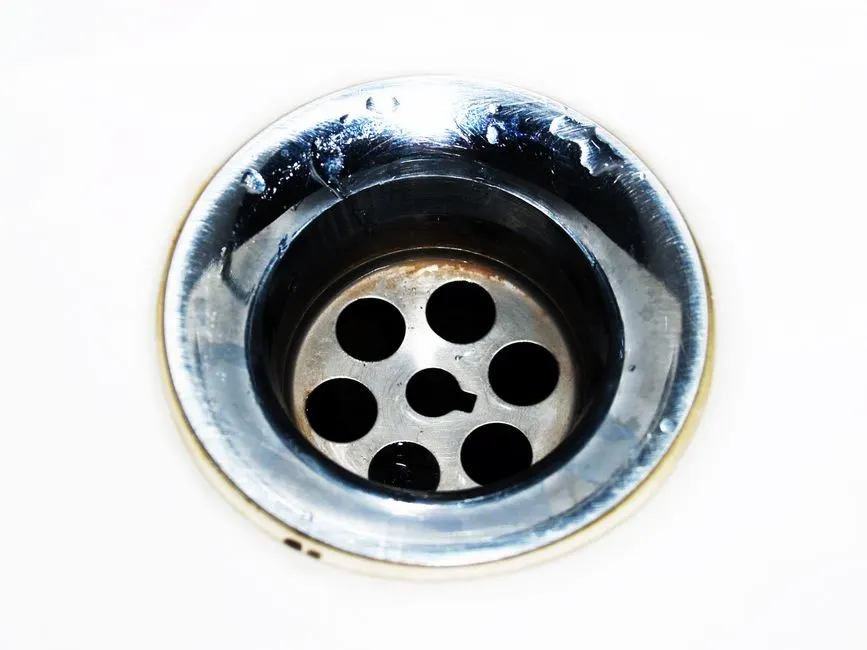
You can clear most bathroom sink clogs without chemicals by removing the stopper, pulling the hair and soap scum out with a drain snake or wire hook, and flushing the line with hot water. If the water still drains slowly after that, the clog is past the P-trap and needs a plumber's auger. We handle hundreds of these calls across Littleton, and nine times out of ten the blockage is hair, toothpaste, and soap - not something a bottle of lye will fix. This guide walks you through the tools, the steps, and the local quirks that make Littleton bathroom sinks clog differently than you might expect.
Why chemical drain cleaners cause more harm than good
Chemical drain cleaners are mostly sodium hydroxide or sulfuric acid. They generate heat when they hit water, and that heat is what damages your pipes. In older Littleton homes with PVC or ABS drain lines, repeated exposure softens the joints and can cause leaks inside the wall. We have pulled apart traps in Downtown Littleton where the chemical residue had eaten a pinhole through a 1.5-inch pipe - a $12 bottle turned into a $400 repair.
They also rarely clear the whole clog. The chemical burns a channel through the hair and soap, so water flows again for a few days. Then the remaining debris catches more hair and you are back to a slow drain. A mechanical fix removes the clog; a chemical fix just pokes a hole in it.
If you have already poured chemicals down the drain, tell the plumber before they start. We wear gloves and eye protection either way, but knowing what is in the line changes how we open the trap.
What actually causes bathroom sink clogs in Littleton
Bathroom sink clogs in Littleton are almost always a mix of hair, soap scum, toothpaste, and sometimes shaving cream. The water here is moderately hard - around 7 to 9 grains per gallon - which means soap does not dissolve as cleanly as it does in softer water. That leftover soap binds with hair and creates a sticky mat inside the pipe.
Older neighborhoods add their own variables. In Historic Downtown Littleton, many homes still have original 1.25-inch galvanized drain lines. Galvanized pipe rusts from the inside, so the effective diameter shrinks over decades. A clog that would be minor in a newer home becomes a full blockage in a 1940s bungalow. We see the same thing in Bow Mar and Columbine Valley, where mature trees send roots into the lateral lines that connect to the main sewer.
Newer builds have a different problem. In Littleton Village and The Meadows, the traps are often set lower and the horizontal runs are longer, so debris settles before it reaches the stack. That is why a sink in a 2018 townhome can clog as fast as one in a 1955 ranch.
Tools you already have that work better than chemicals
You do not need a plumbing aisle's worth of gear. These five items handle most bathroom sink clogs:
- Needle-nose pliers or a small screwdriver - to unscrew the stopper or pop the pivot rod.
- A wire coat hanger or plastic drain snake - 12 to 18 inches is enough to reach the P-trap.
- A bucket and old towels - the trap holds about a cup of water and it will come out.
- Hot water (not boiling) - 160°F to 180°F is hot enough to soften soap without cracking a porcelain sink or PVC trap.
- Baking soda and vinegar - for maintenance, not for a full clog.
If you have a plunger, use a cup-style one, not a flange plunger meant for toilets. A cup plunger seals over the drain opening and pushes water through the trap.
Step-by-step: how to unclog a bathroom sink drain without chemicals
Follow these steps in order. Stop when the water drains freely.
- Remove the stopper. Most pop-up stoppers either unscrew counterclockwise or are held by a pivot rod under the sink. Pull the stopper out and clean off the hair wrapped around it.
- Look down the drain with a flashlight. If you can see the clog, hook it with a bent coat hanger. Pull slowly - you want the hair to come out in one piece, not break apart.
- Plunge the drain. Block the overflow hole with a wet rag, fill the sink with 2 to 3 inches of water, and plunge 10 to 15 times. The rag forces pressure down the drain instead of out the overflow.
- Snake the drain. Feed a plastic drain snake or wire hanger into the drain until you feel resistance, then twist and pull. Repeat until it comes out clean.
- Flush with hot water. Run 160°F to 180°F water for 60 seconds. If the sink drains normally, you are done.
- If water still stands, clean the P-trap. Place the bucket under the trap, unscrew both slip nuts by hand, and pull the trap off. Clean it with a bottle brush and hot water. Reassemble hand-tight plus a quarter turn.
Most clogs clear at step 3 or 4. If you get to step 6 and the trap is clean but the water still backs up, the blockage is in the branch line or the main - that is when you call us.
Does vinegar and baking soda really work?
Vinegar and baking soda will not clear a solid hair clog. The fizzing is carbon dioxide gas, and it does not generate enough pressure to push a mat of hair through a trap. What it does do is break down soap scum and neutralize odors, which makes it useful as a monthly maintenance routine.
Here is how to use it properly: pour half a cup of baking soda down the drain, follow with half a cup of white vinegar, and cover the drain for 10 minutes. Then flush with hot water. Do this once a month and you will slow down how fast clogs form. If the sink is already backing up, skip this and go straight to the snake.
Common mistakes that make the clog worse
We see the same four mistakes on almost every clogged sink call in Littleton.
- Using boiling water. Boiling water can crack a porcelain sink and soften PVC glue joints. Use 160°F to 180°F.
- Pouring chemicals after a snake fails. Now you have a caustic pool sitting on top of a clog, and the plumber has to deal with both.
- Overtightening the slip nuts. Hand-tight plus a quarter turn is enough. Crank them down and you crack the plastic washer, which causes a leak under the cabinet.
- Ignoring the overflow hole. If you do not block it while plunging, the pressure escapes and the clog does not move.
One more: do not run the garbage disposal to try to clear a bathroom sink. Bathroom sinks are not connected to the disposal, and you risk burning out the motor.
When to call a professional
Call a plumber when the sink drains slowly after you have cleaned the stopper and the P-trap, when water backs up into the tub or another fixture, or when you smell sewer gas under the cabinet. Those are signs the clog is in the branch line or the main sewer, not the trap.
We also get called when a homeowner has snaked the drain and the snake came back with rust or black sludge. That usually means the pipe is failing from the inside, and no amount of snaking will fix it. In those cases we run a camera down the line to see exactly what is going on before we recommend a repair.
If you are dealing with a slow drain that keeps coming back, our team handles drain cleaning Littleton CO with augers and jetters that clear the full line, not just the first few feet. We also check the trap and the vent while we are there, because a blocked vent can make a sink drain slow even when the pipe is clear.
Frequently Asked Questions
How do I unclog a bathroom sink without chemicals in Littleton CO?
Remove the stopper, pull hair out with a wire hook, plunge with the overflow blocked, then snake the drain and flush with 160°F water. Most clogs clear in 15 to 20 minutes. If water still stands, clean the P-trap under the sink.
What causes bathroom sink clogs in Littleton?
Hair, soap scum, and toothpaste are the main culprits. Littleton's moderately hard water (7 to 9 grains per gallon) makes soap stickier, and older galvanized pipes in Historic Downtown Littleton narrow over time, so clogs form faster than in newer homes.
Can I use vinegar and baking soda to unclog a drain in Littleton?
Vinegar and baking soda will not clear a solid hair clog, but they do break down soap scum and odors. Use half a cup of each, let it sit 10 minutes, then flush with hot water. It works best as a monthly maintenance routine, not an emergency fix.
When should I call a plumber for a clogged sink in Littleton?
Call when the sink drains slowly after you have cleaned the stopper and P-trap, when water backs up into another fixture, or when you smell sewer gas. Those point to a branch line or main sewer clog that needs a professional auger or camera inspection.
How much does drain cleaning cost in Littleton CO?
Typical 2026 pricing for a bathroom sink drain cleaning in Littleton runs $125 to $250 for a standard clog. If the clog is in the main line or needs a camera inspection, expect $300 to $600. We quote the price before we start.
Get help with Plumber Littleton CO in Littleton
If you have tried the steps above and the water still will not drain, we can clear it today. Our team serves every Littleton neighborhood, from Plumber Littleton CO in Downtown Littleton to Plumber Littleton CO in Ken Caryl, and we carry the augers and jetters to clear the line in one visit.
Call us at +1 (831) 293-1204 and we will give you a straight price before we start. You can also see our full range of plumbing Littleton CO services if you want to know what else we handle.