Running out of hot water mid-shower
We size a tankless unit to your peak demand in GPM, so two showers, a dishwasher, and laundry can run at once without a temperature drop. Most Littleton homes land on an 8 to 10 GPM unit.
If your tank heater is rusting out or you're tired of running out of hot water mid-shower, tankless water heater installation Littleton CO homeowners trust starts with a proper load calculation and a code-correct install. We handle gas and electric on-demand units, venting, and permits for homes across Arapahoe County. Most installs wrap in a single day.
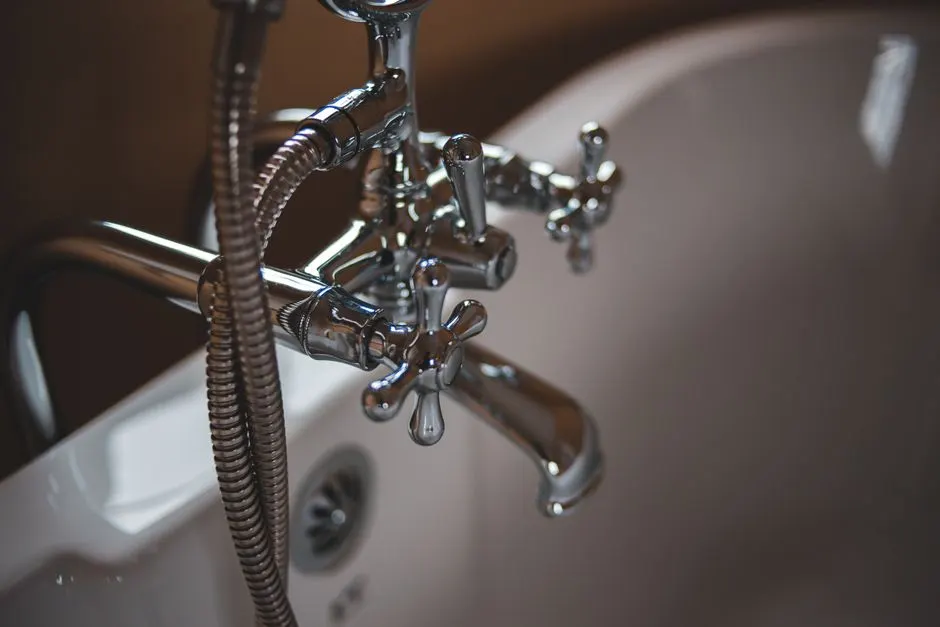
Tankless water heater installation Littleton CO is the process of replacing a storage-tank water heater with a wall-mounted on-demand unit that heats water only when a fixture calls for it. We size the unit to your home's peak demand in gallons per minute, run a dedicated gas line or 240-volt circuit, install the correct Category III stainless vent, and pressure-test every connection before we leave. No tank means no standby loss, no 40-gallon limit, and no flood risk from a rusted-out shell sitting in your utility closet.
Littleton homes built before 1990 often have undersized gas lines and tight mechanical closets, which is why a tankless water heater install Littleton project here needs a real site assessment, not a big-box drop-in. We measure incoming water temperature, which runs about 48 to 52 degrees in winter, and confirm your meter can carry the added load. If you're weighing a conversion, we'll walk you through the numbers so you know exactly what you're getting.
Every tankless install we do includes the core work needed to get you hot water and pass inspection. Add-ons like gas line upgrades, panel work, or repiping are quoted separately and clearly before we start.
We measure incoming water temperature, static and dynamic gas pressure, and peak fixture demand in GPM. Then we spec a unit that handles your coldest month, not the average. You get the model number in writing before install day.
We drain, disconnect, and haul away your old tank heater. That includes the tank, the venting, and any sediment or scale buildup. No old equipment left in your garage or on the curb.
Gas units get a dedicated line sized to the unit's BTU input, with a sediment trap and shutoff. Electric units get a 240-volt circuit with correct breaker and wire gauge. All connections are pressure-tested and code-compliant.
We install Category III stainless venting for gas units, routed to code with correct clearances and termination. Combustion air is verified so the unit burns clean. This is where cheap installs cut corners and fail inspection.
We pull the plumbing and gas permits through Arapahoe County and schedule the inspection. You don't chase paperwork. The inspector signs off, and you get the documentation for your records and resale.
We fire the unit, set outlet temp to 120 degrees, and run every hot fixture at once to confirm stability. You get a walkthrough of the controls, the maintenance schedule, and the warranty registration.
You call, we ask the right questions: fuel type, current heater size, how many bathrooms, and whether you've noticed low water pressure. We book a same-day or next-day site visit, usually within a 2-hour window. No charge for the estimate, no pressure to sign anything on the spot.
A licensed tech measures incoming water temperature, static and dynamic gas pressure, and available venting routes. We calculate peak demand in GPM and pick a unit that handles your coldest winter inlet temp. This is where a lot of cheap installs fail, and it takes about 45 minutes.
We pull the plumbing and gas permits through Arapahoe County, order the unit, and schedule the install. Most permits clear in 1 to 3 business days. You get a written scope with the exact model number, venting plan, and total price before we touch a wrench.
Install day runs 4 to 8 hours for a standard swap. We drain and remove the old tank, run new gas or electrical, mount the unit, install the Category III vent, and pressure-test every joint. Water's back on the same day, usually by late afternoon.
We fire the unit, set outlet temperature to 120 degrees, and run every hot fixture in the house at once to confirm flow and temperature stability. You get a walkthrough of the controls, the warranty paperwork, and the maintenance schedule. We don't leave until you've seen it work.
Purpose-built equipment, used by trained technicians — so the job is done accurately the first time.
Used to break down the old tank connections and cut copper or PEX to exact length for the new supply lines. Clean cuts mean fewer leak points.
For making code-compliant PEX tubing connections on supply lines. Faster and more reliable than soldering in tight utility closets.
For copper pipe joints where PEX isn't the right call, like near the unit's hot outlet. We use lead-free solder per EPA Lead-Safe rules.
Used to verify static and dynamic gas pressure at the meter and at the unit's inlet. A tankless unit needs correct pressure to modulate properly.
Electronic and soap-solution testing on every gas and water joint before we leave. We don't rely on smell or guesswork.
Insulating hot and cold lines reduces heat loss and prevents winter freeze issues. Teflon tape seals threaded gas and water connections.
A Ken Caryl family of 5 was running out of hot water by 7 a.m. The 12-year-old 40-gallon tank had sediment buildup and recovered in 35 minutes. Gas bill averaged $62 a month for water heating.
We installed a 9 GPM condensing gas tankless unit with a new dedicated gas line and Category III vent. Install took 7 hours. Gas bill dropped to $44 a month, and the family runs two showers plus laundry without a temperature dip.
A 1920s bungalow near Historic Downtown Littleton had a 30-gallon tank that leaked onto the utility closet floor. The closet was too small for a bigger tank, and the gas meter was undersized for a tankless unit.
We upgraded the gas line from the meter, mounted a Rinnai unit on the exterior wall, and vented directly out the back. Install took 9 hours over one day. Hot water is now endless, and the closet is empty and dry.
A condo owner in Littleton Village had a 12-year-old electric tank that was rusting at the fittings. The HOA wouldn't allow a larger tank, and there was no gas service to the unit. Hot water ran out after one shower.
We installed a compact 240-volt electric tankless unit sized for 2 bathrooms and a kitchen. Required a 60-amp double-pole breaker and 6-gauge wire. Install took 5 hours. Hot water is now on demand with no tank to leak into the unit below.
If any of these sound familiar, a tankless upgrade is worth pricing out. We'll tell you honestly whether it's the right move for your home.
Ask a pro →We size a tankless unit to your peak demand in GPM, so two showers, a dishwasher, and laundry can run at once without a temperature drop. Most Littleton homes land on an 8 to 10 GPM unit.
We replace the failing tank with a wall-mounted tankless unit that holds less than a cup of water. No tank to rust, no tank to burst, no flood risk in your utility closet or basement.
Tankless units heat only when a fixture calls for water. Most homeowners see 20 to 30 percent lower water-heating costs, which on a typical Xcel bill runs $8 to $18 a month in savings.
A wall-mounted tankless unit takes about 2 square feet and mounts on an interior or exterior wall. We find a vent path and mount the unit where it fits and stays serviceable.
$2,800 - $6,500 depending on unit size, gas line work, venting, and electrical upgrades
Typical 2026 pricing for tankless water heater installation in Littleton runs $2,800 to $6,500 depending on unit size, gas line work, venting, and whether you need an electrical panel upgrade. A straight gas swap with an existing vent path sits at the low end. Long vent runs, a new gas line from the meter, or a 200-amp panel upgrade push it higher. We give you a written price with the exact model number before we start, and we don't add charges on install day. If you're comparing on demand water heater installation Littleton CO quotes, ask each company whether permits and inspection are included. Ours are.
A tankless unit lasts about 20 years versus 10 to 12 for a tank, cuts water-heating costs 20 to 30 percent, and eliminates the flood risk of a failed tank. Over 15 years, the total cost of ownership usually beats a tank replacement, especially if you plan to stay in the home.
An 8 GPM unit costs less than an 11 GPM condensing model. Rheem, Navien, Rinnai, and Bradford White all sit in different price bands. We quote the model that fits your demand, not the cheapest one on the shelf.
If your meter or existing gas line can't carry the unit's BTU input, we run a new dedicated line. That adds $400 to $1,200 depending on run length and whether the meter needs upgrading.
A short side-wall vent is straightforward. Long runs, roof termination, or routing through finished space adds labor and materials. Category III stainless venting costs more than PVC but is required for most condensing units.
Electric tankless units need a 240-volt circuit, often 60 amps or more. If your panel is full or only 100 amps, a panel upgrade adds $1,500 to $3,000. We check this during the site assessment.
“Our 15-year-old tank finally let go on a Sunday. These guys had a Navien unit spec'd and installed by Tuesday afternoon. They ran a new gas line from the meter, vented through the side wall, and pressure-tested everything. Water's been rock steady since, even with two showers and the dishwasher going.”
Mark T.Homeowner, Ken Caryl
✓ Verified“We have a 1920s bungalow with a tiny utility closet. Two other companies said tankless wouldn't fit. This crew measured, found a vent path, and mounted a Rinnai on the exterior wall. Endless hot water now, and they cleaned up better than they found it. Permit and inspection handled.”
Sandra R.Homeowner, Historic Downtown Littleton
✓ Verified“Got three quotes for tankless. These were the only ones who actually measured incoming water temp and calculated GPM. They spec'd a bigger unit than the others and explained why. Install took one day, hot water never runs out, and our gas bill dropped about $14 a month.”
Dave K.Homeowner, Roxborough
✓ VerifiedMost tankless water heater installation cost Littleton CO projects run $2,800 to $6,500 in 2026, depending on unit size, gas line upgrades, venting runs, and whether you need a panel upgrade for electric. A straight gas swap with an existing vent path sits at the low end. Long vent runs, a new gas line from the meter, or a 200-amp panel upgrade push it higher. We give you a written price before we start.
Yes, if you plan to stay in the home 5+ years. Tankless units last about 20 years versus 10 to 12 for a tank, cut water-heating bills 20 to 30 percent, and eliminate the flood risk of a failed tank. In Littleton, where winter inlet water runs 48 to 52 degrees, proper sizing matters more than the brand. We size to your coldest month, not the average.
A standard swap takes 4 to 8 hours on install day. Add 1 to 3 business days for the Arapahoe County permit to clear, plus a 15 to 30 minute inspection after. If we're running a new gas line from the meter or upgrading an electrical panel, plan on a second day. You'll have hot water back the same day in most cases.
Most Littleton homes with 2 to 3 bathrooms need a unit rated 8 to 10 gallons per minute at a 50-degree temperature rise. That covers two showers plus a dishwasher running at once. Homes with 4+ bathrooms or a large soaking tub usually need 10 to 11 GPM or two units in a manifold. We measure your incoming water temp and peak fixture load before we spec anything.
 Drain CleaningTankless units push more volume through your lines, which can expose slow drains you didn't know about. We hydro jet and snake Littleton drains so your new system runs clean from day one.Explore →
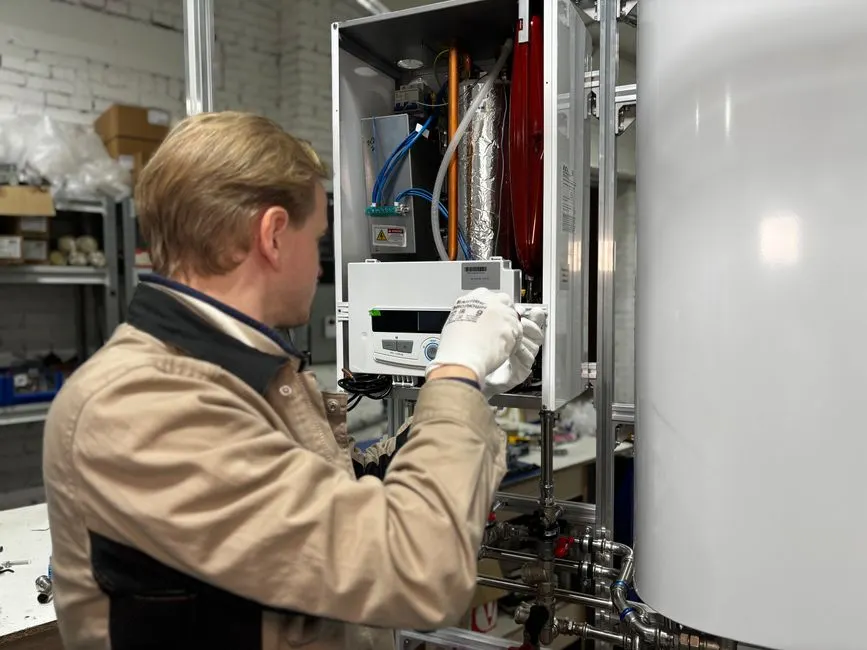 Water Heater RepairIf your current tank is limping along, we can often repair it while you plan the tankless upgrade. No pressure to replace before you're ready.Explore →
 Water Heater InstallationNot ready to go tankless? We install and replace traditional tank heaters in Littleton with the same code-correct approach and same-day turnaround.Explore →
 Leak DetectionBefore any install, we check for hidden leaks in your supply lines. A slab leak or pinhole in copper pipe will undermine a new tankless system if it's not fixed first.Explore →
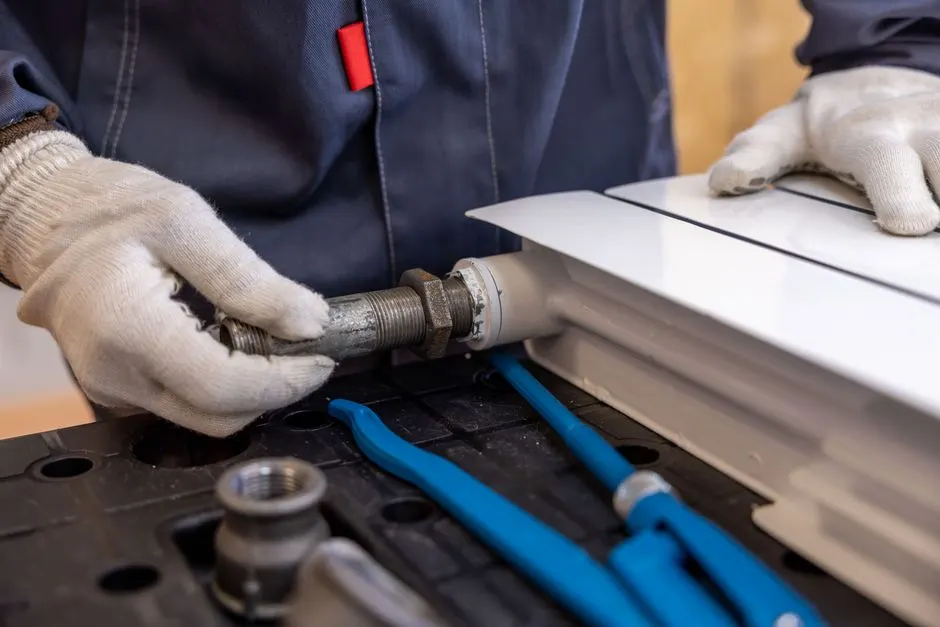 Burst Pipe RepairLittleton's freeze-thaw cycles crack pipes every winter. We repair burst lines fast so your new tankless unit isn't feeding a leak behind the wall.Explore →
 Toilet RepairRunning toilets waste hot and cold water and skew your usage patterns. We fix flapper valves and fill valves so your tankless system sees accurate demand.Explore →
 Faucet RepairDripping Moen, Delta, or Kohler faucets waste water and can mask pressure issues. We rebuild or replace cartridges so every fixture performs with your new system.Explore →
 Sewer Line RepairRoot intrusion and bellied lines are common in older Littleton neighborhoods. We camera-inspect and repair sewer lines so your plumbing runs end to end.Explore →
Licensed, insured, and pulling permits on every job. Call us for a same-day estimate on your tankless install and we'll give you a written price with the exact model and venting plan. No surprises on install day.
Get Free Estimate +1 (831) 293-1204 →Call us at +1 (831) 293-1204 or email [email protected] to schedule service or ask a question. We answer the phone 24/7 for emergencies and book same-day appointments during regular hours. If you are in Littleton or anywhere in Arapahoe County, we can get a plumber to your door fast.